


Qdrant: the open source vector database for AI apps

Discover Qdrant, the vector database that connects AI to your data
Qdrant is an open source vector database built for fast similarity search at scale, a core building block of RAG architectures.
An assistant that answers from your internal documentation, a recommendation engine, a search that understands the meaning of a question rather than its keywords: in all these cases, Qdrant stores the embeddings of your content and retrieves the closest matches to a query in milliseconds.
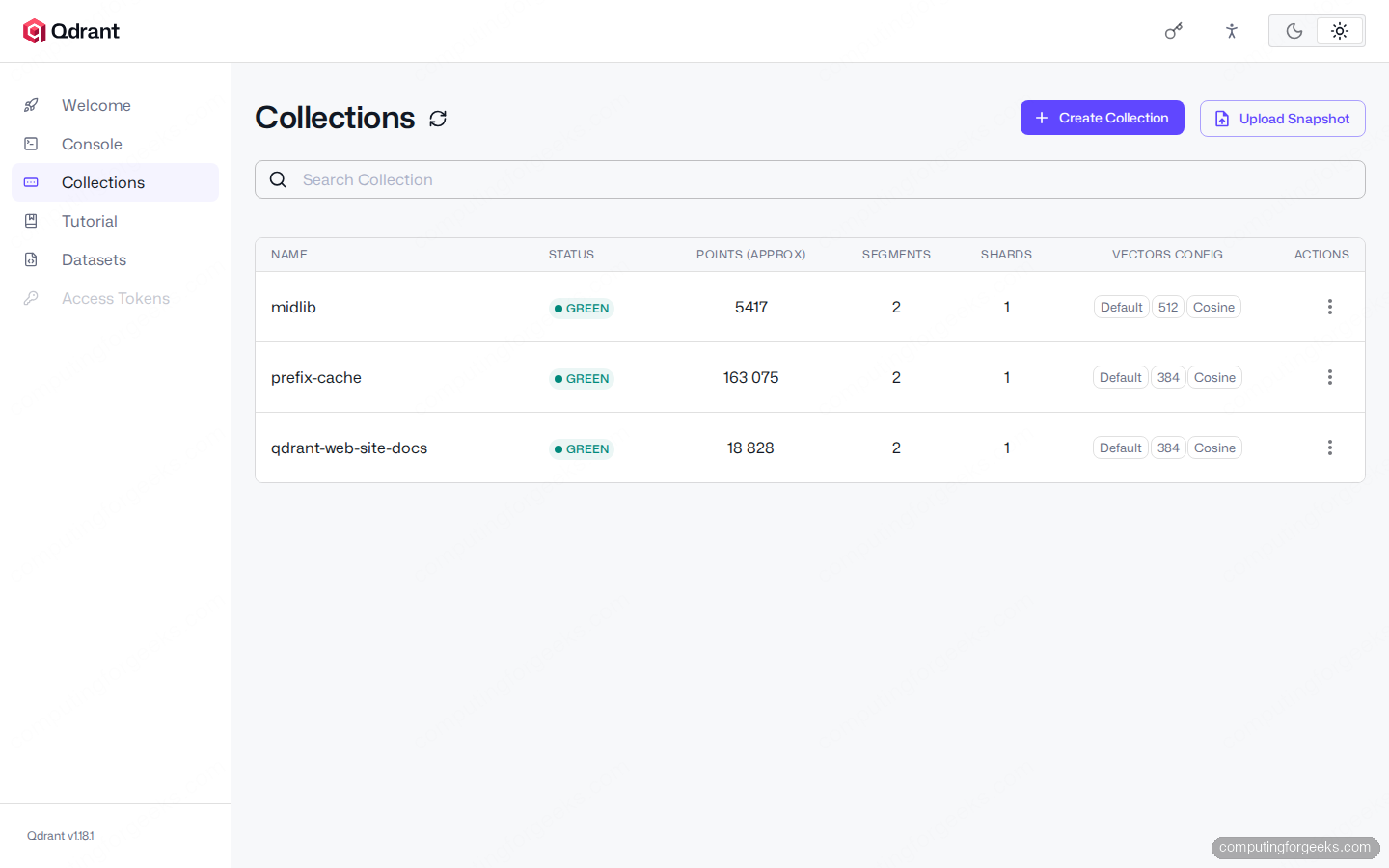
Qdrant is built around four functional pillars:
From raw performance to deployment, everything is designed for production.
1. Vector search: performance at scale
Written in Rust, Qdrant is optimised to stay fast even with very large volumes of vectors.
- Store embeddings of your documents, images or products
- Retrieve the most similar content in milliseconds
- Cut memory usage with vector quantization
- Scale to millions of vectors without losing relevance
2. Filtering and payloads: results that respect your business rules
Every vector can carry metadata (payload) that is usable during search.
- Attach business attributes to each vector: language, customer, access rights, date
- Filter results during the search, not after it
- Combine semantic similarity and exact conditions in a single query
- Organise your data into collections per use case
3. Flexible deployment: from laptop to managed cluster
Qdrant runs wherever your constraints require, including on your own infrastructure.
- Test locally with a simple Docker image
- Self-host the database to keep full control of your data
- Deploy in high availability on Kubernetes for production
- Choose Qdrant Cloud if you prefer a managed service
4. Integrations: at the heart of the AI ecosystem
Qdrant fits naturally into modern AI application stacks.
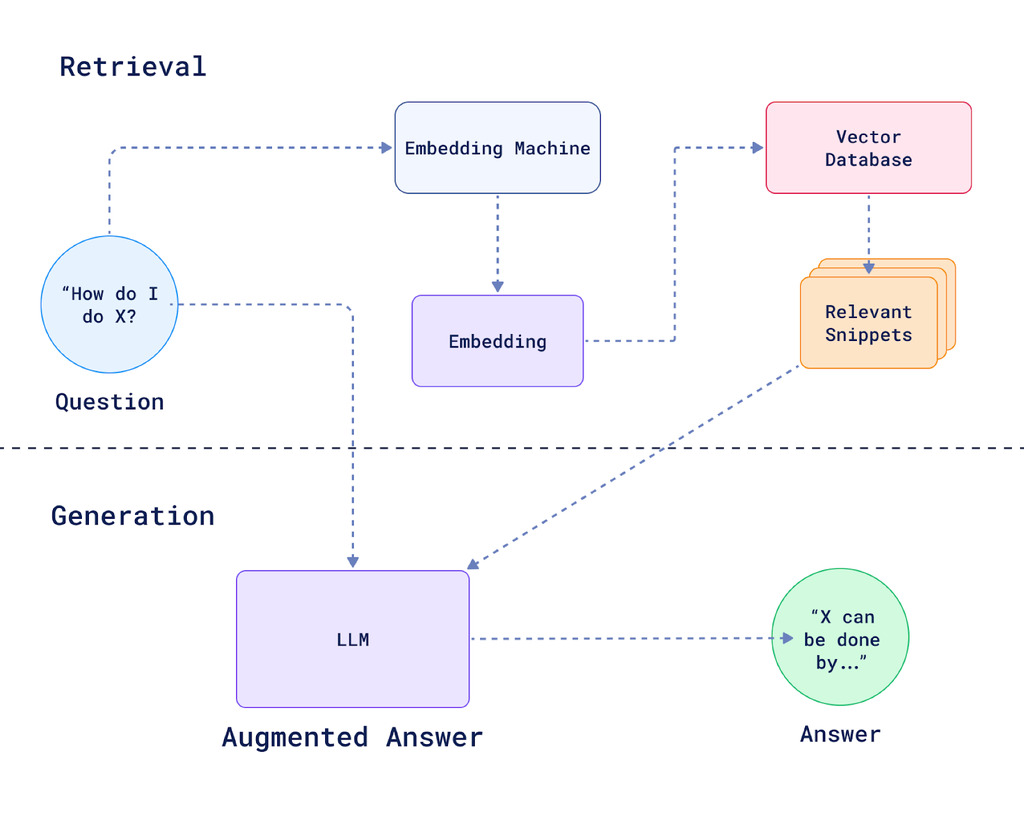
- Connect Qdrant to your applications through REST or gRPC APIs and official clients
- Plug in your RAG pipelines with LangChain or LlamaIndex
- Feed the database with embeddings from the provider of your choice
- Monitor your collections and performance from the built-in interface
Planning a RAG or semantic search project? turnK designs and integrates your AI architectures end to end. Take a look at our Data & AI services or contact us: our consultants reply within 48 hours.
Frequently asked questions.
Qdrant is an open source vector database: it stores embeddings, numerical representations of the meaning of your content, and retrieves the items most similar to a query very quickly. It is a key building block of RAG architectures and semantic search engines.
Technical teams building AI applications: assistants grounded in internal documents, semantic search, recommendation engines. Being open source and self-hostable, it is also a strong choice for organisations that care about where their data lives.
High-performance vector similarity search, metadata filtering during search, quantization to reduce memory usage, REST and gRPC APIs, and deployment your way: Docker, Kubernetes or the managed Qdrant Cloud service.
Qdrant is open source and free to self-host; you only pay for your infrastructure. The managed Qdrant Cloud service is billed based on cluster resources; up-to-date pricing is available on the official website.
Qdrant is open source and can be self-hosted, which gives you control over costs and data sovereignty; Pinecone is a fully managed service. The right choice depends on your infrastructure and compliance constraints: turnK helps you decide and integrates both.
