


LangChain: the open source framework for LLM apps

Discover LangChain, the framework that takes your generative AI applications to production
LangChain is an open source framework that provides the building blocks for reliable LLM applications: RAG, agents, integrations and observability.
In practice, LangChain saves you from rebuilding the plumbing: calling a model, connecting a document base, chaining steps, giving tools to an agent. An assistant that answers from your knowledge base or an agent that updates your CRM is assembled from proven components, in Python or JavaScript.
LangChain is built around four functional pillars:
From prototype to production, every stage of the cycle has its tool.
1. Components and integrations: assemble instead of rewriting
LangChain standardises how you interact with models and the services around them.
- Swap models from OpenAI, Anthropic, Mistral AI or Google Gemini without a rewrite
- Structure prompts, parsers and processing chains with shared abstractions
- Rely on a very large catalogue of ready-made integrations: databases, APIs, cloud services
- Develop in Python or JavaScript/TypeScript depending on your stack
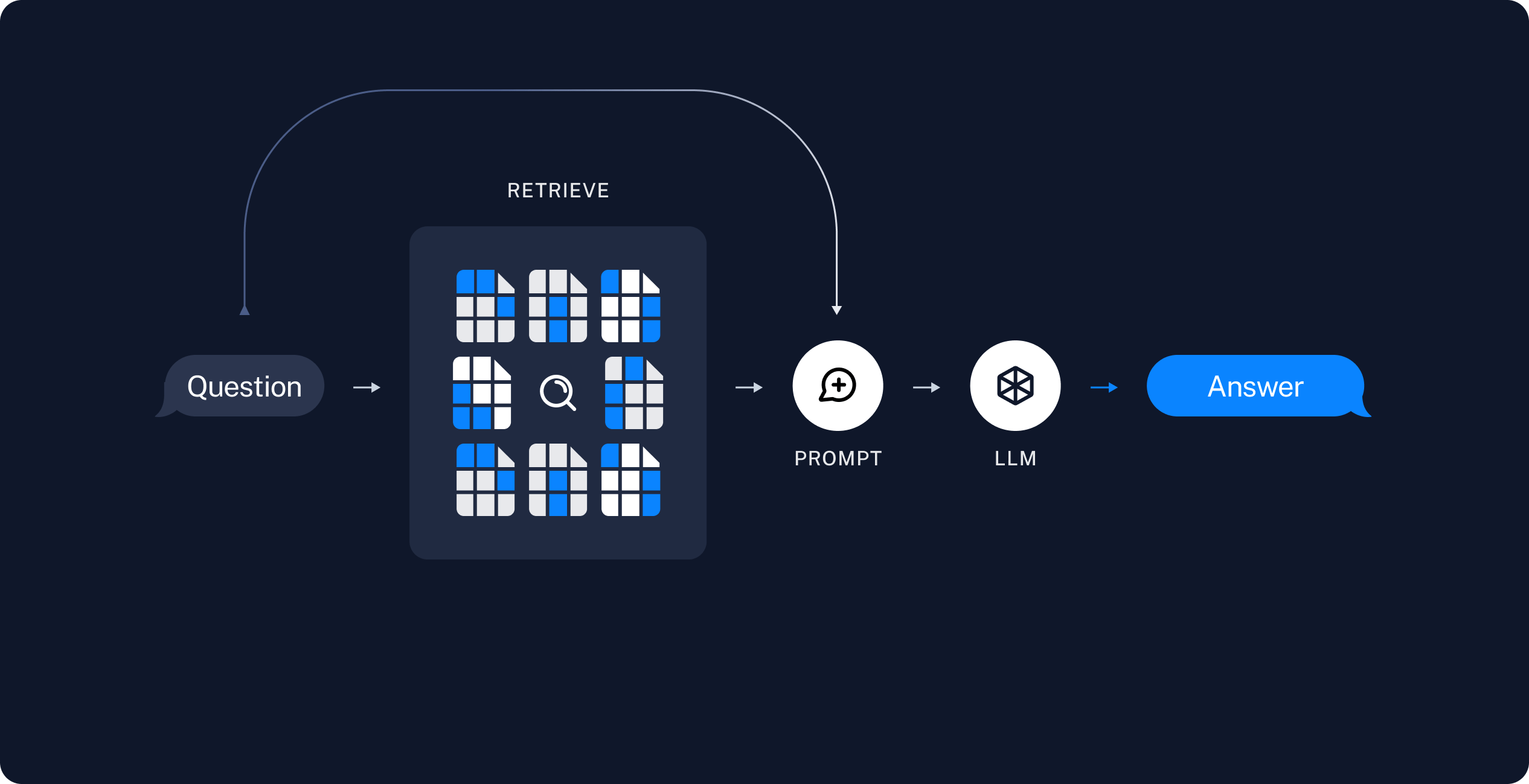
2. RAG: connect models to your data
LangChain covers every step of a RAG architecture, from ingestion to answer.
- Load your documents from any source: files, websites, databases, business tools
- Split and vectorise content before indexing it
- Plug in vector databases such as Weaviate, Pinecone or Qdrant
- Ground the model's answers in your data to limit hallucinations
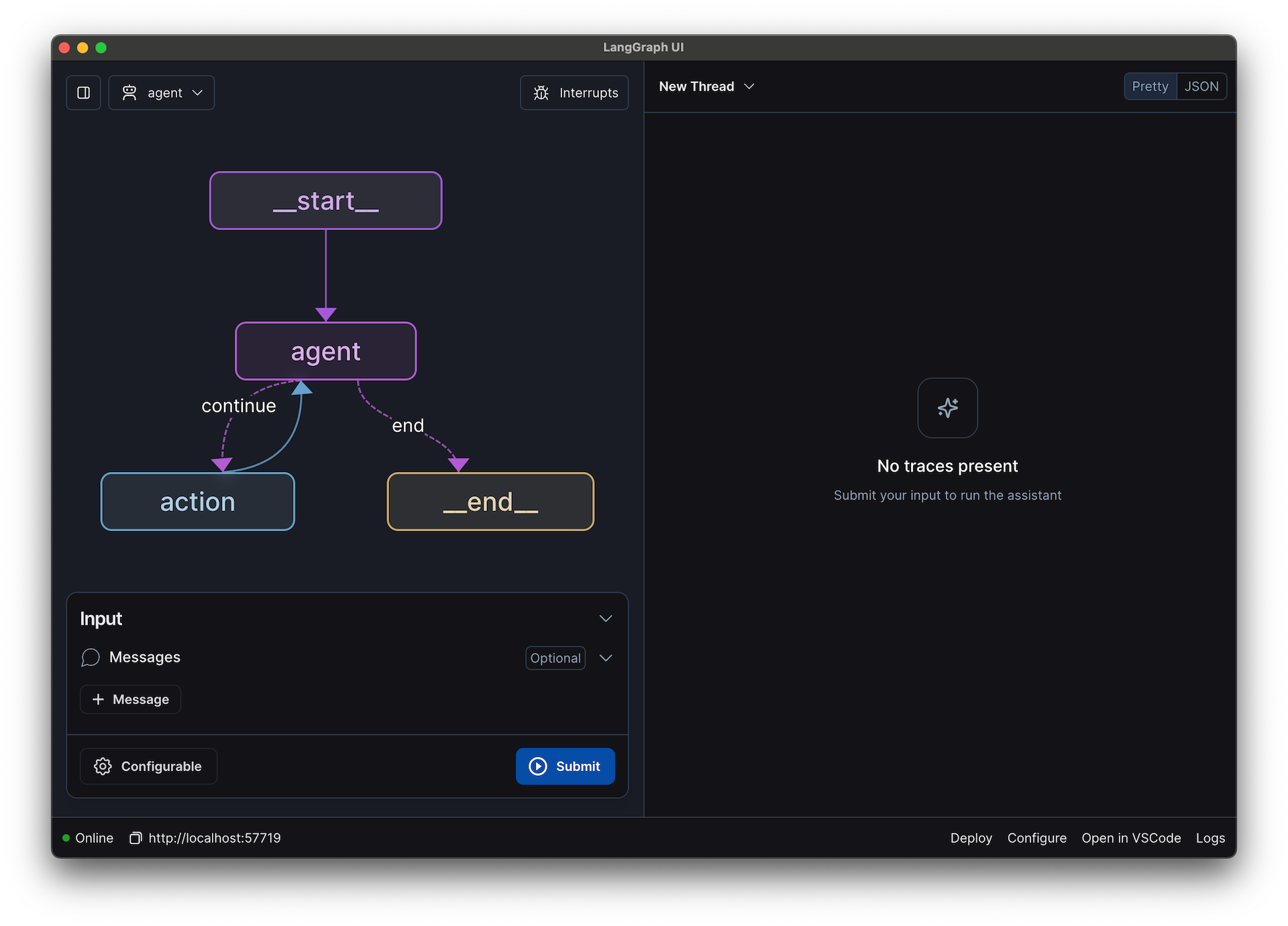
3. Agents with LangGraph: AI workflows that stay under control
LangGraph orchestrates agents as graphs, with state, loops and human checkpoints.
- Model your agents as graphs of steps rather than opaque loops
- Give your agents tools: search, internal APIs, action execution
- Insert human validation checkpoints before sensitive actions
- Resume an interrupted run thanks to state persistence
- Discover the service here
4. LangSmith: observe, evaluate, improve
An LLM application without observability is a black box; LangSmith opens it up.
- Trace every model call to understand what your application actually does
- Evaluate answer quality against test datasets before every release
- Compare prompts and models with measurable experiments
- Monitor cost, latency and errors in production
- Discover the service here
Planning a RAG or AI agent project? turnK designs and industrialises your generative AI applications, from POC to production. Take a look at our Data & AI services or contact us: our consultants reply within 48 hours.
Frequently asked questions.
LangChain is an open source framework for building applications on top of large language models. It provides standardised components to chain model calls, connect data sources, build RAG architectures and create agents.
Developers and data teams building generative AI applications. LangChain is not a no-code tool: you need to code in Python or JavaScript to use it, or rely on a technical partner such as turnK.
Interchangeable components for models and prompts, the building blocks of a RAG architecture (loading, splitting, vectorising, retrieval), agent orchestration with LangGraph and observability with LangSmith.
The LangChain framework is open source and free. Companion products such as LangSmith offer a free tier and then paid plans billed per user and by usage; up-to-date pricing is available on the official website.
LlamaIndex specialises in data ingestion and indexing for RAG; LangChain is more general-purpose, particularly for agent orchestration. The two actually combine very well: turnK helps you pick the right architecture for your use case.
