


MongoDB: the flexible NoSQL database for modern apps
Discover MongoDB, the NoSQL database behind modern applications
MongoDB is a document-oriented database that stores your data in a flexible, JSON-like format and evolves at the pace of your applications.
A product catalogue where attributes vary from one item to the next, user profiles that grow richer over time, application events whose shape keeps changing: where a relational database forces you to freeze the schema upfront, MongoDB adapts. That is why it has become a go-to foundation for web, mobile and AI applications.
MongoDB is built around four functional pillars:
From the open source database to the managed cloud, each building block serves a specific need.
1. The document model: a schema that follows your code
Data is stored as documents, close to the objects your developers already work with.
- Model your data the way you write your code, without piling up joins
- Evolve the schema without taking the application down
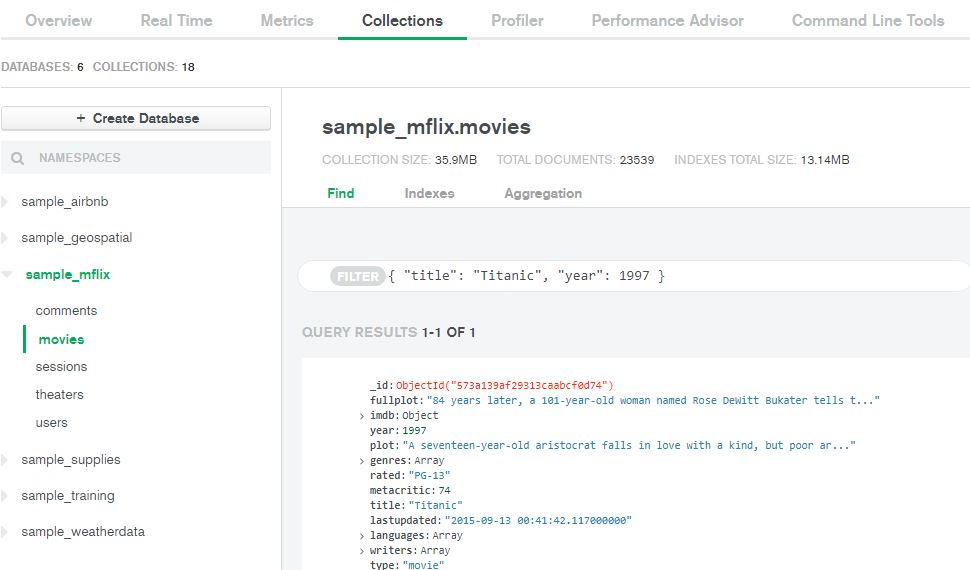
- Query your documents with a rich query language and aggregation pipelines
- Index the fields you need to keep response times low
2. MongoDB Atlas: the managed database in the cloud
Atlas deploys and operates your MongoDB clusters on AWS, Google Cloud or Azure.
- Spin up a cluster in minutes, with no server administration
- Automate backups, upgrades and monitoring
- Scale resources on demand based on actual load
- Choose where your data is hosted, including European regions
- Discover the service here
3. Search and AI: from full-text to vectors
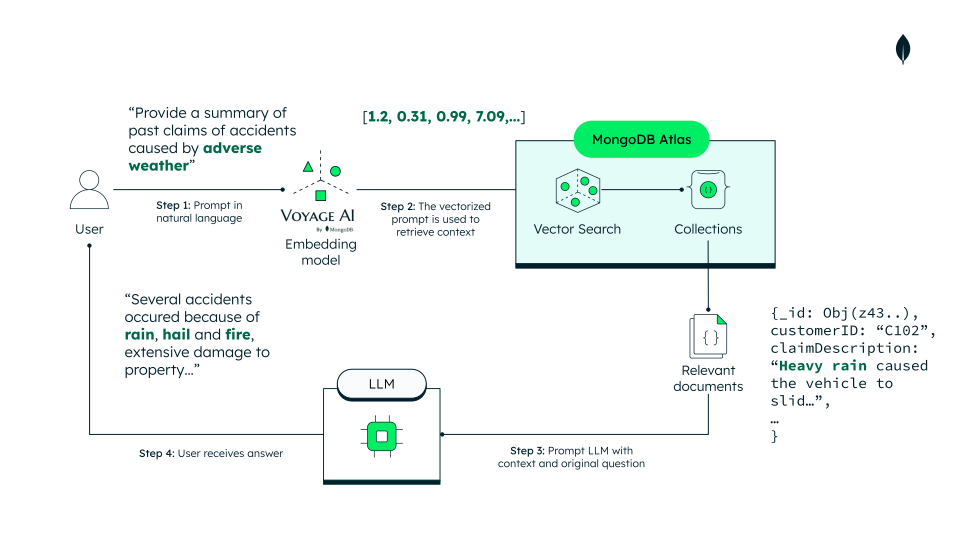
Atlas includes full-text search and vector search, directly on your data.
- Add full-text search to your applications without an external engine
- Store embeddings and run semantic searches for your RAG use cases
- Connect your language models to your data through frameworks such as LangChain
- Combine business filters and vector similarity in a single query
4. Scalability and high availability: a database that grows with you
MongoDB is designed to absorb growth in both data volumes and users.
- Replicate your data across several nodes to keep the service running
- Distribute the load through sharding as volumes increase
- Spread your data across regions to bring it closer to users
- Secure access with encryption and fine-grained permissions
Planning a MongoDB project? turnK designs your data architectures and applications, from data modelling to deployment. Take a look at our Data & AI services or contact us: our consultants reply within 48 hours.
Frequently asked questions.
MongoDB is a document-oriented NoSQL database: data is stored in a flexible, JSON-like format rather than rigid tables. It is available as an open source database you host yourself, or as a managed cloud service with MongoDB Atlas.
Teams building applications whose data changes fast: web and mobile platforms, product catalogues, IoT, AI applications. From startups to large enterprises, Atlas makes the database accessible without server administration expertise.
The flexible document model, a rich query language with aggregation pipelines, replication and sharding for scale, plus full-text and vector search built into Atlas for search and AI use cases.
The community edition is open source and free to self-host. MongoDB Atlas, the managed cloud service, is billed based on the resources you consume, with an entry tier to get started; up-to-date pricing is available on the official website.
MongoDB shines when the schema evolves often or the data is semi-structured. For highly relational, transactional data, a database like PostgreSQL often remains the right choice. turnK helps you decide based on your use cases, and both coexist well in a single architecture.
