

HubSpot Email Tracking: The Complete 2026 Guide to Optimize Your Tracking
In the digital age of 2026, understanding your prospects' and clients' engagement is more crucial than ever. The hubSpot email tracking (or HubSpot email tracking) is a powerful tool integrated into the HubSpot CRM platform that allows you to know exactly when and how your recipients interact with your emails. Whether you're a salesperson, marketer, or customer service manager, mastering this feature can transform your approach and significantly improve your results. This comprehensive guide will explain everything you need to know to fully leverage HubSpot email tracking in 2026.
What is HubSpot Email Tracking?
HubSpot email tracking is a feature that notifies you when recipients open your emails or click on the links they contain. It relies on a simple yet effective technology to give you valuable visibility into the engagement generated by your communications.
Definition and basic operation
When you activate tracking for an email sent from HubSpot, or via a connected inbox (Gmail, Outlook) with the HubSpot Sales extension, a small invisible tracking pixel (a 1x1 pixel image) is inserted into the body of your message. When the recipient opens the email and their email client loads images (which is the default for most), this pixel is loaded from HubSpot's servers. HubSpot then records this action as an email open and notifies you. Similarly, links in your emails are transformed into unique tracking links that first redirect to HubSpot before reaching the final destination, allowing clicks to be counted.
Key information revealed by tracking
Thanks to HubSpot email tracking, you gain vital insights:
Why Use HubSpot Email Tracking in 2026?
In 2026, sales and marketing effectiveness rely on personalization and relevance. HubSpot email tracking is an essential lever to achieve these objectives.
Improve sales performance
For sales teams, knowing that a prospect has opened a proposal email or clicked on a case study link is a strong signal of interest. It allows prioritizing follow-ups, re-engaging at the right moment, and tailoring the pitch based on observed engagement. The hubSpot email tracking turns assumptions into actionable insights.
Personalize customer follow-up
Understanding how your clients interact with your communications (support, newsletters, product information) helps you better grasp their needs and interests. You can then personalize your interactions further and strengthen the customer relationship.
Optimize your marketing campaigns
For marketers, open and click data are fundamental to measuring the success of email campaigns. Analyze which email subjects generate the most opens, which calls to action (CTAs) attract the most clicks, and segment your audiences based on their engagement for more targeted future campaigns.
How to Activate and Use Email Tracking in HubSpot?
The setup and use of the tracking email HubSpot are relatively simple, whether you use the HubSpot interface or your usual inbox.
Initial configuration (Extension/Add-in)
To track emails sent from Gmail or Outlook, you must first install the HubSpot Sales extension for Chrome or the HubSpot add-in for Outlook. Then connect your HubSpot account. Once installed, the extension adds HubSpot features, including a checkbox to activate tracking, directly in your email composition interface.
Track an individual email (Gmail, Outlook, HubSpot)
When composing a new email:
Make sure the box is checked before sending the email you want to track.
Understanding notifications (real-time, activity feed)
HubSpot informs you of opens and clicks via real-time pop-up notifications on your desktop (if the extension is installed) and via the activity feed in HubSpot CRM ("Activity Feed"). This feed consolidates all interactions (opens, clicks, website visits, form submissions) from your contacts.
Analyze tracking performance
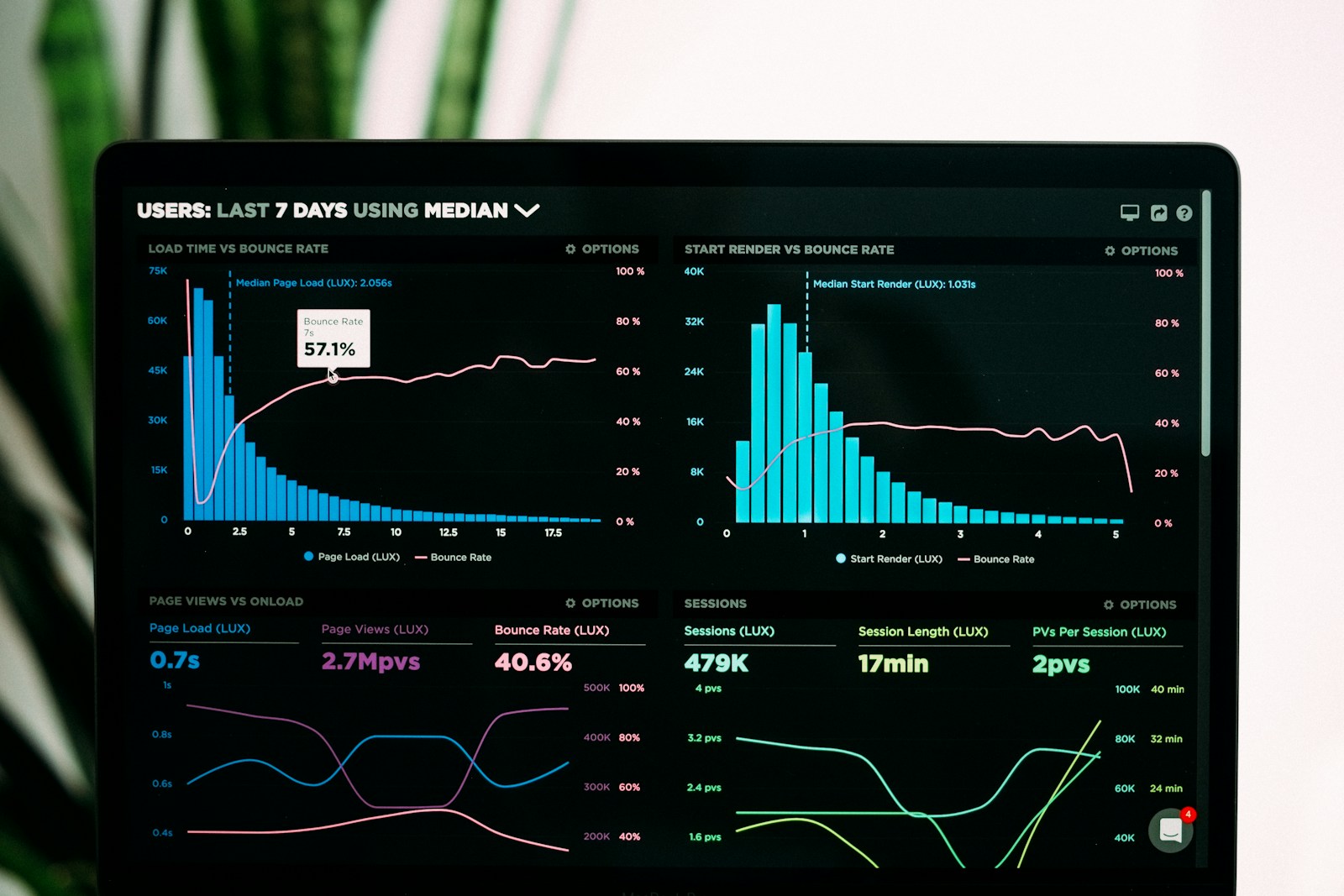
Beyond individual notifications, HubSpot offers dashboards and reports to analyze the overall performance of your tracked emails. You can view aggregated open and click rates, identify your most effective emails, and monitor engagement trends over time.
Best Practices and Ethical Considerations for Email Tracking
While email tracking is powerful, its use should be responsible and ethical, especially in the regulatory context of 2026.
Transparency and compliance (GDPR)
Although the tracking pixel is discreet, be aware of regulations like GDPR. While tracking individual marketing emails is often considered legitimate interest, it is good practice to be transparent about the use of tracking technologies in your privacy policy. Avoid tracking purely personal or sensitive communications.
Interpreting data with discernment
An open does not always indicate deep interest. Some email clients preload images, triggering an open without the user actually reading the email. Similarly, accidental clicks are possible. Use tracking data as one indicator among others, and combine it with other engagement signals.
Avoid over-solicitation
Don’t follow up with a prospect immediately after they open your email. Use the information to plan relevant follow-ups at the right time, without seeming intrusive. The goal is to assist, not to spy.
Advanced Features and Integrations (Perspective 2026)
HubSpot email tracking integrates seamlessly with the HubSpot ecosystem and continues to evolve.
Link click tracking
Click tracking not only indicates *if* a link was clicked but also *which* specific link, providing precise insights into the recipient’s interests.
Tracking-based automation
Use tracking data as triggers in HubSpot workflows. For example, automatically enroll a contact in a follow-up sequence if they click on a specific link, or create a task for a salesperson if a prospect opens a proposal three times.
Integration with HubSpot CRM
All tracking activity (opens, clicks) is automatically recorded on the contact's record in HubSpot CRM. This gives your entire team a 360-degree view of each contact's interaction history.
In 2026, it is expected that HubSpot's artificial intelligence (AI) will further enhance these features, for example by predicting the best times to send emails or suggesting follow-up actions based on engagement patterns.
Conclusion
The HubSpot email tracking is much more than a glorified read receipt. It is a strategic tool that, when used wisely in 2026, provides valuable insights to refine your sales and marketing strategies, personalize your interactions, and ultimately improve your business performance. By activating it and intelligently analyzing the collected data, you can better understand and serve your prospects and customers.
Ready to harness the full power of HubSpot and other CRM, ERP, or AI tools to transform your business? At turnK, we are experts in integrating technological solutions to optimize your business processes. Schedule a meeting with our experts today to discuss how we can help you achieve your goals.
the most common questions
To enable tracking, check the "Follow" or "Track" box when composing an email in HubSpot. If you use Gmail or Outlook, install the HubSpot Sales extension, connect your account, then check the tracking box added to your email composition window.
Yes, HubSpot can detect when an email is opened thanks to an invisible tracking pixel embedded in the email. When the recipient opens the email and loads images, the pixel loads, recording the open in HubSpot and potentially triggering a notification.
The basic email tracking features (open and click notifications, limited history) are available in the free version of HubSpot CRM and free Sales Hub tools. More advanced features and higher limits are included in paid Sales Hub and Marketing Hub subscriptions.
Open tracking depends on the recipient's email client loading images; if images are blocked, the open will not be recorded. Tracking may be less reliable with plain text emails. Also, it cannot guarantee 100% that the main recipient opened the email (it could be forwarded). Finally, it is important to respect privacy and regulations such as GDPR.