

ERP and CRM: why and how to integrate them?
ERP and CRM: why and how to integrate them to transform your business?
In today’s digital world, running a business is like conducting a complex orchestra. Each department plays its score, but for a perfect symphony, harmony is essential. This is where the Enterprise Resource Planning (ERP) and CRM (Customer Relationship Management) systems come in. Often perceived as separate entities, their integration is the key to unparalleled performance and growth. As specialized integrators, we are exploring today the fundamental reasons and best practices for marrying these two technological pillars.
Merge ERP and CRM: beyond the simple connection
ERP and CRM are two powerful tools, each with its own sphere of influence. CRM, like HubSpot or Salesforce, is the champion of customer orientation. It manages all interactions, from prospecting to loyalty, through the commercial pipeline. It includes purchasing history, preferences, communications, and all the data that feeds the customer relationship. His goal? Maximize customer satisfaction and value, while optimizing lead generation and lead nurturing.
ERP, on the other hand, is the operational brain of the company. It centralizes and automates internal processes: accounting, inventory management, production, logistics, human resources. This is the guarantor of operational efficiency and cost rationalization. Without good internal management, even the best marketing or business strategy can quickly run out of steam.
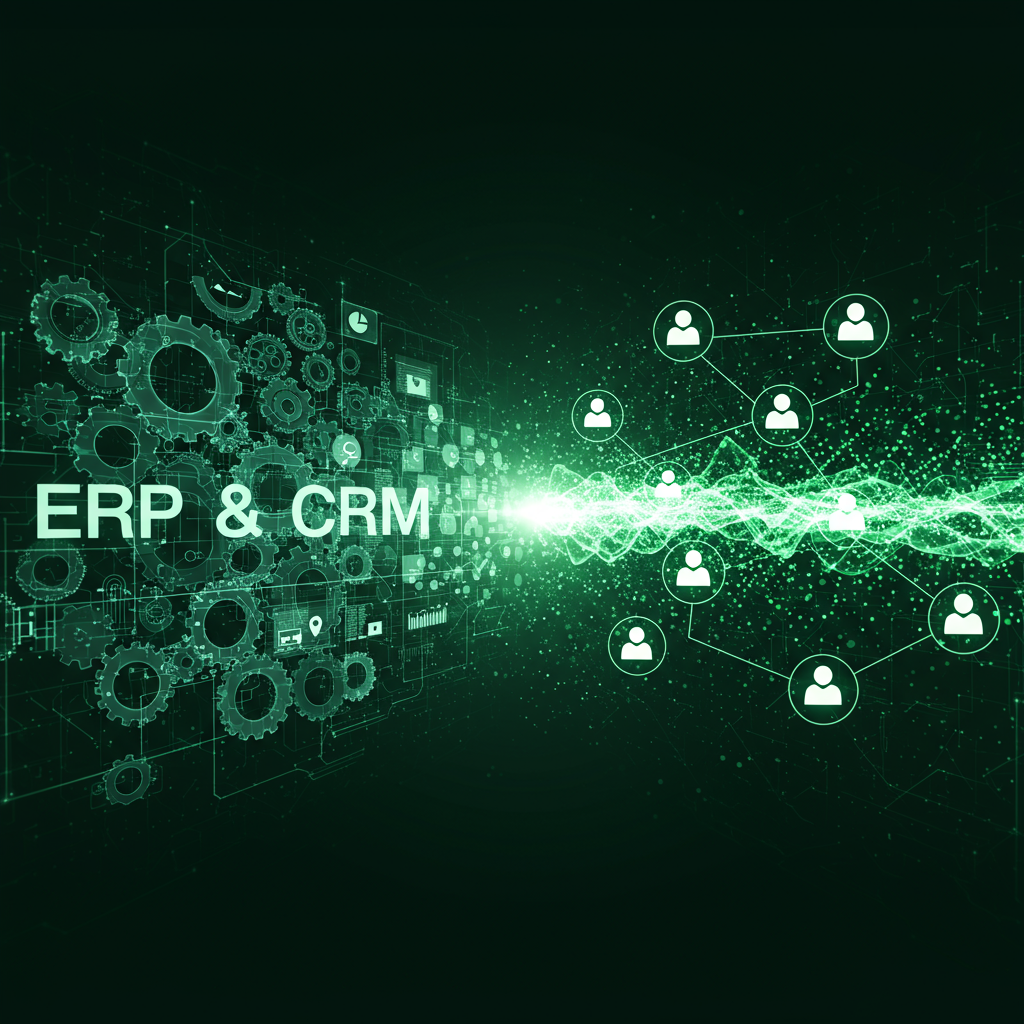
When we talk about ERP and CRM integration, it’s not just about getting them to communicate, but about creating a unified platform where data flows freely and intelligently. This synergy is the foundation of a true efficient digital strategy, capable of reacting to market dynamics and customer expectations with agility.
The tangible benefits of successful integration
1. A 360° customer vision
Imagine that your sales team knows in real time whether a product is out of stock before promising a delivery, or that customer service can view billing history and payment terms without changing tools. This is the promise of integration. The customer journey becomes fluid, from the first marketing interaction to delivery and after-sales support. This unified vision significantly improves the customer experience and promotes loyalty.
2. Optimization of processes and operational efficiency
The integration eliminates dual input, reduces manual errors, and automates repetitive tasks. For example, an order registered in the CRM can automatically trigger billing and logistics preparation in the ERP. This frees up time for your teams, allowing them to focus on tasks with higher added value. For AI agents for CRM, this data transversality is essential to provide relevant insights and automate accurate interactions.
3. Sales cycle acceleration and income improvement
Thanks to synchronized data, sales teams have access to accurate information about product availability, discounted prices and order history. This facilitates cross-selling and up-selling, and accelerates the conversion of opportunities. Marketing can also refine its marketing automation campaigns based on real-world sales and inventory data, improving the ROI of its actions.
4. Better strategic decision making
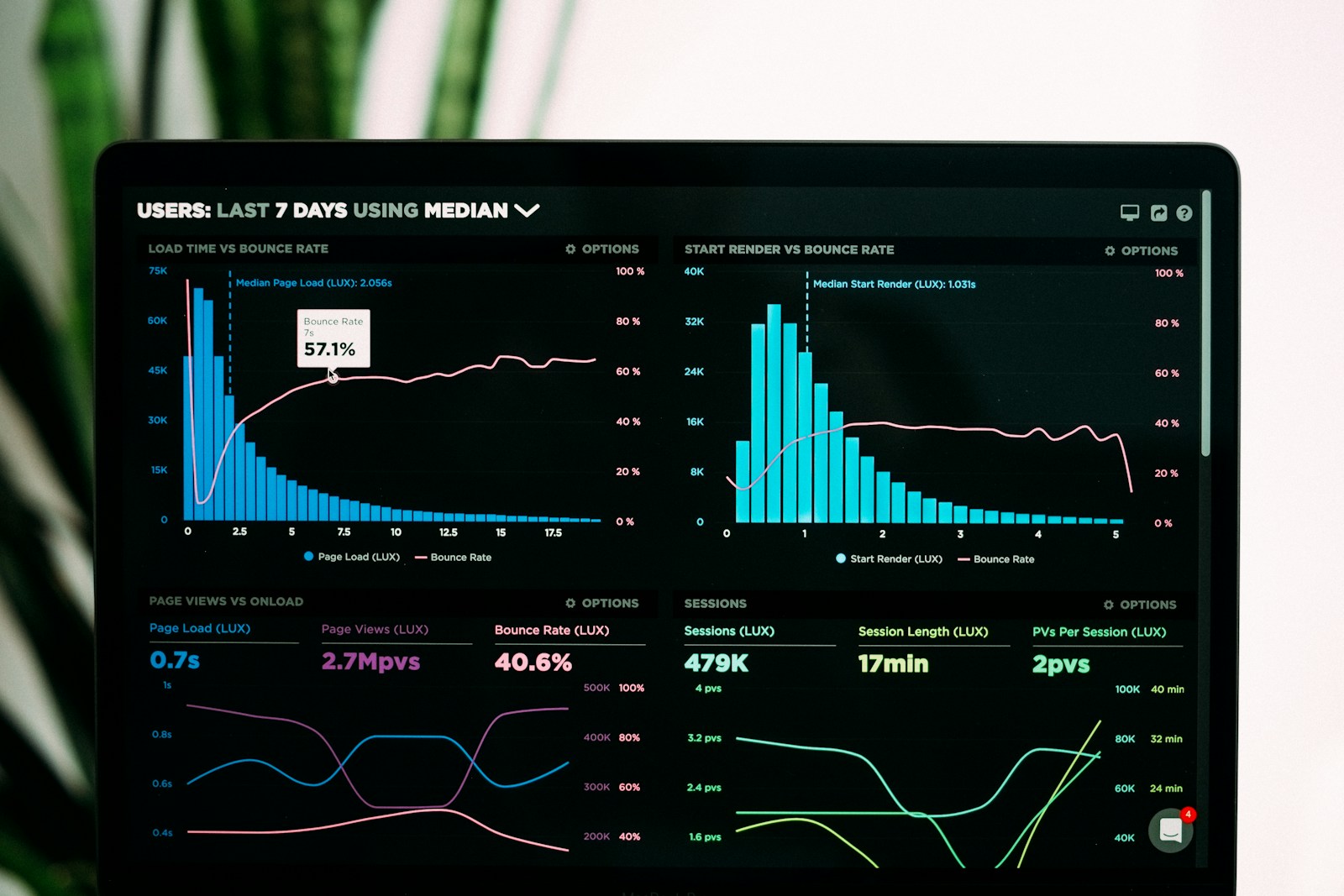
With all the data pooled, executives (including the Chief Operations Officer) have a clear overview of business and operational performance. Consolidated dashboards facilitate analysis and allow for more informed and faster decisions, based on facts and not on assumptions.
How to successfully integrate your ERP and CRM?
1. Assess your needs and define a clear strategy
Before starting any project, it is crucial to conduct a thorough audit of your current processes and identify the friction points. What are the objectives of this integration? Improving lead generation? Optimizing inventory management? Reduce order processing time? A precise roadmap is essential.
2. Choosing the right solutions and the right integrator
The market offers a multitude of CRM (Salesforce, HubSpot, etc.) and ERP (Odoo, SAP, etc.) solutions. The compatibility and flexibility of APIs are essential criteria. An experienced integrator will guide you in this choice and guarantee a smooth technical integration, whether it is achieved via no-code solutions or specific developments.
3. Planning the migration of data
Data quality is paramount. A well-planned migration, with cleaning and deduplication, is a guarantee of success. It is necessary to define what will be the source of truth for each data to avoid conflict.
4. Accompany the change
The integration of such central tools impacts work habits. Clear communication, tailored training and ongoing support are essential to facilitate user adoption and ensure the ROI of your investment.
The integration of your ERP and CRM is no longer an option, but a necessity for any company aiming for operational excellence and an impeccable customer relationship. It is a strategic investment that, when well conducted, propels your business to new heights of growth and efficiency. If you are ready to transform the way your sales, marketing and operations collaborate, please feel free to contact us at turnK. Our expertise in CRM, Marketing Automation and ERP integration is at your service to realize your vision and optimize your performance.
the most common questions
This prevents double seizures and inconsistencies. For example, as soon as a salesperson closes a sale in the CRM, the order can automatically go back to the ERP for invoicing. Conversely, if the ERP reports an unpaid invoice, the information appears in the CRM for the salesperson to know. We save time, we make customer data (a single source of truth) reliable and we streamline the process from end to end, from sale to account.
The main ones are customer data and transaction data. Specifically: customer records (coordinates, company information) must be common. CRM-side validated quotes and orders can create purchase orders/invoices in the ERP. Similarly, the status of invoices (sent, paid, late) can be returned to the CRM. Finally, possibly stocks or product availability (of the ERP) can inform salespeople in the CRM when taking orders.
Technically, it depends on the systems in place. Many modern ERPs (SAP Business One, Microsoft Dynamics, etc.) and CRM (Salesforce, HubSpot...) have connectors or APIs that allow them to be connected relatively easily. Sometimes, we use an integration tool (iPaaS) like MuleSoft, Make or Zapier to pass the data. The important thing is to define the fields to be synchronized and the frequency (real time, daily...). With a good integrator, it’s not as heavy a construction site as before.
First, do not want to synchronize everything excessively: it is necessary to choose the useful data to avoid complexity and slowness (e.g., no need to synchronize 50 fields if 10 is enough). Then, clean the data thoroughly before having it communicated (a CRM packed with duplicates or an updated ERP will create problems). Finally, provide testing and monitoring: regularly ensure that the integration works (no data blocked) and involve users from the start of design to meet their real needs.