

Odoo Integrator for Distribution & Wholesale: Reliable Stock Management Without Stopping Operations
An Odoo integrator is a certified partner who configures, connects, and deploys the Odoo ERP within your information system — from the initial audit through to adoption by your teams. For a Chief Operating Officer in distribution or wholesale, the question goes beyond simply switching tools: it's about making stock, logistics, and sales administration reliable without ever interrupting commercial activity. At turnK, more than 600 integration projects have already shown that a well-deployed ERP turns blind-spot management into a supply chain that's finally readable.
Why choosing an Odoo integrator is strategic for distribution and wholesale
In a distribution or wholesale business, goods flows, supplier orders, and customer deliveries follow one another continuously. An Odoo integrator does more than configure software: they design an architecture that connects purchasing, stock, sales, and accounting within a single source of truth. It's this consistency, more than the tool itself, that determines whether the project delivers once it goes live.
The operational friction typical of a distribution business without a unified ERP
When tools stay disconnected, every department rebuilds its own version of the truth: sales promises a lead time the warehouse can't meet, accounting discovers stock discrepancies at month-end, logistics operates with no visibility into open supplier orders. Taken individually, these frictions look minor; added together, they slow growth and erode teams' trust in their own tools.
Duplicate entries and stockouts
Without a single source of truth, the same item can exist under three different codes across the purchasing spreadsheet, the sales CRM, and the invoicing software. The result: stockouts that hit at the worst possible time, or conversely, excess stock tied up for lack of shared visibility.
A supply chain flown blind
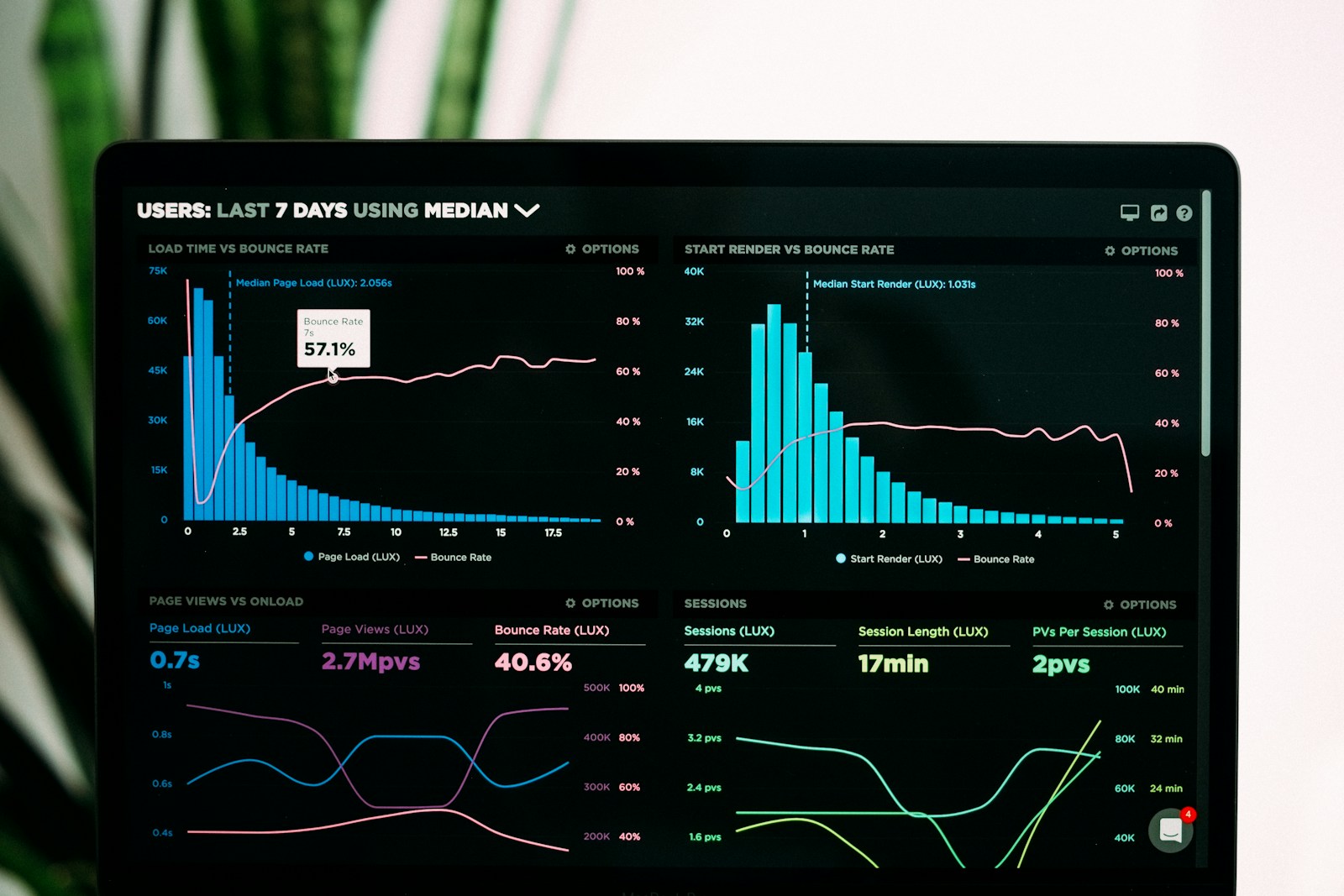
Without a unified dashboard, the COO often manages the supply chain several days behind what's actually happening on the ground — a lag that doesn't fit with wholesale cycles that keep getting shorter.
How turnK deploys Odoo without interrupting your commercial activity
The most common objection a COO raises about an ERP project stays the same: how long will operations be disrupted? At turnK, migration happens in stages — the purchasing module, then stock, then sales — rather than one risky big-bang cutover. Each stage is tested and adopted by the teams before moving to the next, which limits risk exposure and allows the course to be corrected along the way rather than after the fact. This staged approach follows the same method detailed in our checklist for choosing the right ERP partner.
The concrete benefits of a well-run Odoo integration
An ERP integration project run by turnK takes 3 months on average, versus around 6 months for a traditional approach — a gap that matters when every quarter of delay translates into poorly managed stock. For a distribution business, that means supplier orders triggered on reliable data, sales administration that no longer re-keys orders by hand, and accounting that closes the books on accurate stock figures. These benefits echo those detailed in our comparison of Odoo, SAP, and NetSuite, useful if you're still deciding on the ERP itself.
How to choose the right Odoo integrator for your distribution/wholesale project
Beyond Odoo certification, the right partner should demonstrate sector expertise in stock and order-management flows, propose a staged migration method rather than a big bang, and plan for adoption support that goes beyond initial training. Our complete guide to installing Odoo in 2026 details the best practices to demand from your integrator before signing.
This is the approach turnK implemented at Focal France, during the integration of its Infor LN ERP, where making the flows between customer support and stock management reliable reduced discrepancies between teams.
Our ERP integration and migration offer relies on the same staged deployment methodology for Odoo projects, from the initial audit through to run.
To compare the tool's native features before starting your project, our Odoo tool page details the available modules and their use cases in distribution.
the most common questions
3 months on average at turnK thanks to a staged migration (purchasing, stock, sales), versus around 6 months for a traditional single-block approach.
Yes: staged migration allows one module to go live at a time, tested and adopted by teams before moving to the next, which limits risk exposure during the project.
A certified integrator commits to a complete method — audit, architecture, migration, training, run — while a freelance developer typically works on a narrower technical scope, without owning the system's overall consistency.
The budget depends on the number of modules and the complexity of integrations with your existing tools; an initial audit helps scope these cost items precisely before signing.