


Data and reporting: finally measuring the impact of marketing
Data and reporting: finally measuring the impact of marketing
For a long time, marketing has been seen as a cost center that is difficult to quantify. Campaigns launched with hope, but without always certainty on their true return on investment (ROI). Today, this time is over. Thanks to the power of data and advanced reporting tools, companies can finally objectively measure the impact of their marketing actions, turn their spending into strategic investments and drive their growth accurately. No more intuition alone, place to measurable performance.
The myth of "immeasurable" marketing
How many times have you heard that "marketing isn't really measured"? This misconception, tenacious, has long held back the optimization of budgets and recognition of the strategic value of marketing teams. Without concrete data, it was indeed complex to justify a campaign, identify what worked or not, and demonstrate the direct contribution of marketing to business objectives. Decisions were often based on general feelings or trends, lacking the rigour needed for a truly effective digital strategy.
Data, the fuel of your marketing strategy
Digital transformation has made data the new black gold of companies. Every customer interaction, every visit to your website, every email opening generates valuable information. Harnessing this wealth means understanding in depth the customer journey map of your prospects, identifying their needs, pain points and motivations. A data-driven strategy allows you to refine your targeting, personalize your messages and optimize the journey of each customer.
By analyzing this data, you can, for example, determine the channels that generate the most qualified leads, understand the steps where your prospects drop out, or refine your lead generation strategy. This is the basis for relevant lead scoring and better allocation of your marketing resources. Rigorous management of this information is also essential for the SEO of your website and the improvement of your organic traffic.
The era of intelligent reporting: turning numbers into stocks
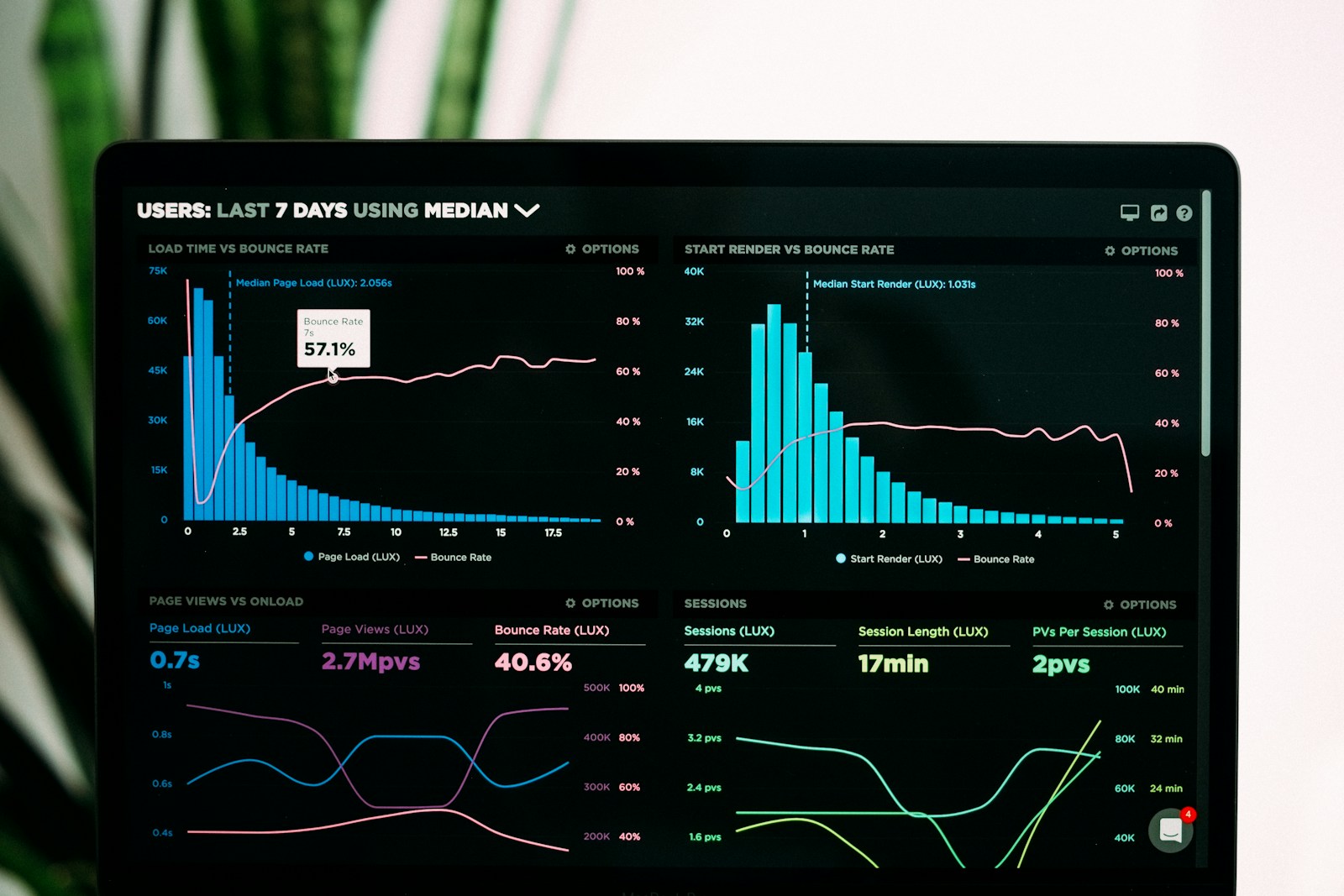
Collecting data is a first step, but it is reporting that makes them feel like. Intelligent reporting not only presents numbers; it interprets them, highlights trends, identifies opportunities and points for improvement. It is about building dynamic dashboards, adapted to each level of decision, from the Chief Revenue Officer to the operational teams.
These tools make it possible to track in real time the essential KPIs (Key Performance Indicators): customer acquisition cost, conversion rate, customer life value (LTV), ROI campaigns by channel, etc. With this business performance analysis, you can adjust your advertising campaigns on the fly, optimize your marketing content or refine your inbound marketing strategies. Reporting thus becomes a powerful action lever for continuous marketing optimization.
Tools at the service of measurement: CRM, Marketing Automation and ERP
To effectively collect, organize and analyze all this data, the integration of robust technological solutions is essential. CRM (Customer Relationship Management) is the cornerstone of this approach, centralizing all customer and prospect interactions. Platforms like HubSpot or Salesforce allow you to track the customer journey from A to Z, from the first interaction to loyalty.
Marketing automation takes over to automate repetitive tasks, personalize communications, and feed leads (nurturing) until they mature. By integrating your CRM with your marketing automation tools, you create an ecosystem where data flows smoothly, enabling more targeted and measurable marketing actions. For companies with complex processes, the Enterprise Resource Planning (ERP) complements this device by integrating commercial, financial and operational management, offering a 360° vision of performance.
Artificial intelligence also plays a growing role in predictive analytics and advanced personalization. To go further in the humanization of your customer interactions and the optimization of your CRM, the integration of an AI agent for CRM can transform your customer relationship and make it more proactive.
Beyond the numbers: continuous optimization
Measuring the impact of marketing is not an end in itself, but the beginning of a virtuous cycle of continuous improvement. Data and reporting must feed a culture of testing and learning within your teams. Whether it’s a website audit to improve your SEO or a complete overhaul of your content strategy, each action needs to be tracked, analyzed and adjusted.
For example, in-depth analysis via a website audit may reveal blocking points in the user journey or unsuspected SEO optimization opportunities. This constant analysis and adjustment process ensures that your marketing efforts are always in line with your customers’ expectations and business goals, maximizing loyalty and revenue growth.
By taking a data-driven approach, marketing emerges from the shadow of uncertainty to become a powerful engine of growth, whose contribution is clearly measurable and valuable. It is a strategic approach that impacts the whole company, from acquisition to customer loyalty.
Ready to turn your marketing into a measurable profit center? At turnK, we are experts in integrating CRM, Marketing Automation and ERP solutions. Contact us today to audit your needs and build a data-driven strategy that will propel your business to new performance heights.
the most common questions
Because they do not answer a real business question: they measure without informing the decision.
Acquisition cost, lifetime value, conversion rate and commercial velocity.
By unifying HubSpot, Salesforce, and Make data to measure the overall impact of campaigns.
By standardizing fields, automating imports, and regularly auditing sources.