


.jpeg)
The expansion of the Internet of Things (IoT) and its applications: Revolutionary
The Internet of Things (IoT) is becoming an omnipresent reality, transforming our lives and the way we interact with the world around us. This emerging technology promises to revolutionize various sectors, from industry to healthcare, home automation and transportation. Fueled by rapid technological advances and ever-increasing connectivity, IoT expansion is paving the way for a future where everything from home appliances to smart cities will be interconnected.
IoT refers to a network of physical devices integrating sensors, software and communication technologies to collect and exchange data. These devices, called "connected objects", can be as varied as cars, smartwatches, thermostats, surveillance cameras and even clothing. Thanks to their ability to connect to the Internet and communicate with each other, these objects make it possible to collect data in real time, analyze it and make automated decisions.
One of the main applications of IoT is in the field of industry, where it is often referred to as the "Industrial Internet of Things" (IIoT). Companies use IIoT to optimize their operations, improve energy efficiency, reduce maintenance costs and increase productivity. The sensors integrated in industrial machines make it possible to monitor their condition and detect imminent breakdowns, which facilitates preventive maintenance. In addition, IoT facilitates the collection of big data, opening up new opportunities for data analytics and machine learning for more accurate decision-making.
In the healthcare sector, IoT has the potential to revolutionize medical care. Portable devices, such as watches and connected wristbands, allow continuous monitoring of patients' vital signs, such as heart rate, blood pressure and oxygen levels. This data can be passed on to physicians in real time, allowing them to remotely monitor the health of their patients and quickly detect any abnormalities. In addition, the IoT facilitates drug management, telemedicine and the creation of assisted living environments for the elderly.
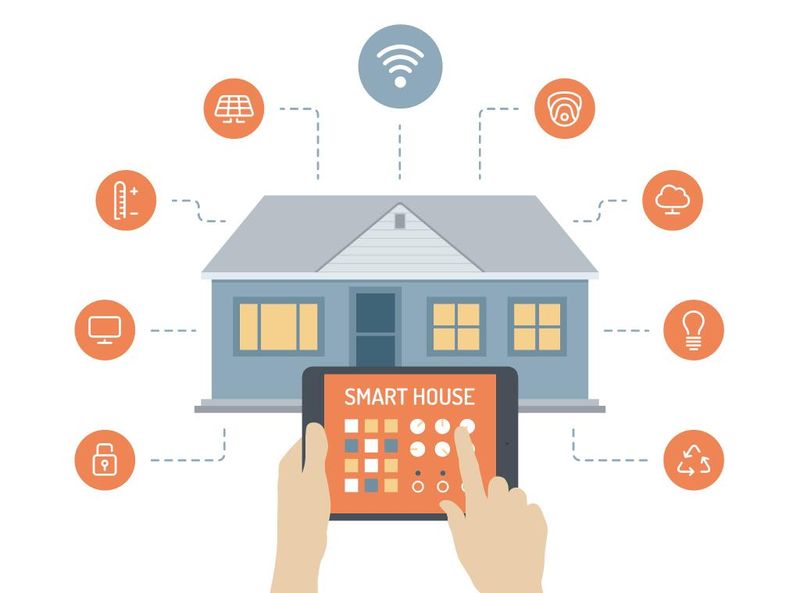
Home automation is another area where IoT finds practical applications. Smart homes use connected devices to automate various tasks, such as lighting control, air conditioning and security. With mobile apps and internet connectivity, users can remotely control their home’s devices, providing an increased level of comfort, security, and energy efficiency.
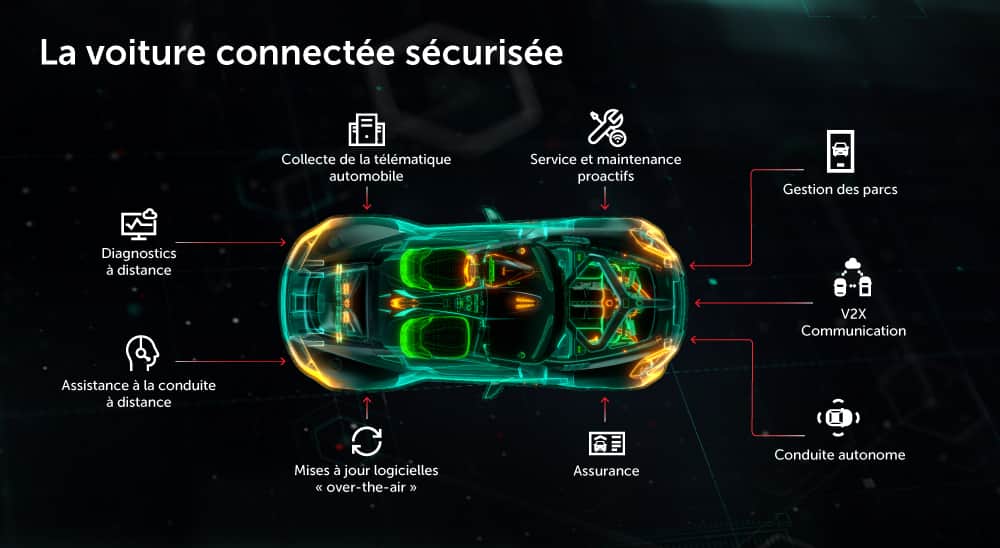
The transport sector is also benefiting from the expansion of IoT. Connected vehicles, such as autonomous cars, incorporate sensors and advanced communication systems that allow them to collect and exchange information on traffic, weather conditions and road infrastructure. This allows for better traffic management, reduced accidents and improved energy efficiency. In addition, IoT facilitates the management of vehicle fleets, providing real-time data on location, maintenance and fuel consumption.
In addition to these specific applications, IoT offers infinite potential for creating smart cities. Sensors integrated into urban infrastructure allow for monitoring and control of different aspects, such as street lighting, waste management, energy consumption and air quality. This creates more sustainable, efficient and enjoyable urban environments. Smart cities also use intelligent transport management systems, early warning systems for natural disasters, and citizen engagement platforms to engage residents in decision-making.
However, the expansion of IoT is not without challenges. Security and data protection are major concerns, as connected objects can be vulnerable to cyberattacks. Mass data collection and storage also raises questions about the privacy and ownership of personal information. In addition, the interoperability of different devices and systems is a technical challenge to ensure seamless connectivity and efficient use of IoT.
In brief
In conclusion, the expansion of the Internet of Things (IoT) opens up broad horizons of applications in many fields, transforming our connected world in a deep way. From industry to healthcare, home automation, transportation and smart cities, IoT offers tremendous benefits in terms of efficiency, safety and comfort. However, it is essential to address security, privacy and interoperability challenges to fully exploit the potential of this emerging technology. The future of IoT is bright, and it will continue to reshape the way we live and interact with our environment.
If you are interested in the subject and you would like to exchange with our experts, do not hesitate to contact us to answer all your questions!
the most common questions
The IoT (Internet of Things) refers to all connected objects that collect and exchange data via the internet: sensors, devices, vehicles, industrial equipment, etc.
IoT applies to many areas: connected home, industry, health, logistics, smart city and agriculture. It allows to measure, control and automate remotely.
IoT improves efficiency, predictive maintenance, security and knowledge of uses through the collected data. It opens up new opportunities for innovation.
Yes, no-code tools allow you to connect, view and automate IoT data without heavy development. Turnk supports companies to use this data.

